
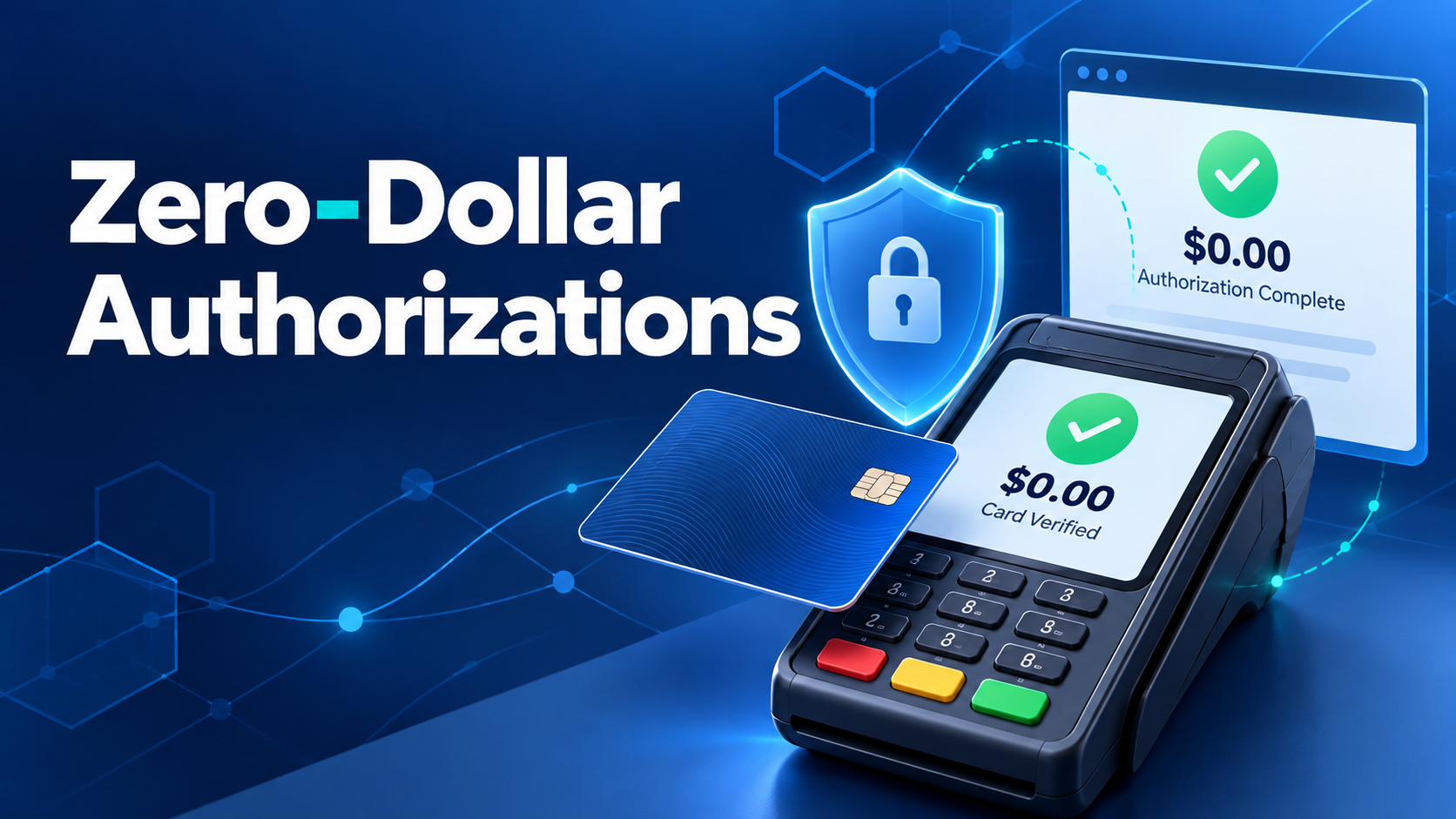
Sometimes a business needs to confirm that a card is valid without actually charging the customer. A zero-dollar authorization can perform that check by sending card information to the issuer with an amount of $0.00. The response may confirm that the account exists and that basic verification data matches, but it does not guarantee payment later.
Zero-dollar verification is often used when a customer saves a card for future purchases, starts a free trial, creates a rental profile, or enrolls in recurring billing. It can help identify an invalid card number before the business depends on it. Depending on the payment setup, the request may also check the expiration date, security code, or billing address response.
This process differs from a small test charge. Some businesses authorize $1.00 and later reverse it, but that temporary amount can confuse customers who see it in online banking. A true zero-dollar authorization avoids moving money, although the customer’s issuer determines how the verification appears. Merchants should ask their gateway whether it supports account verification and how the request is labeled.
Approval does not mean funds are available for a future sale. The card could expire, be replaced, reach its limit, or be blocked before the actual charge occurs. A merchant still needs to request authorization for the final amount at the proper time. Businesses should also avoid repeated verification attempts, which can look suspicious and create a poor customer experience.
Use zero-dollar authorizations as one part of a broader payment process. Collect clear consent before storing credentials, tokenize card data, and explain when future charges may occur. Monitor verification failures for data-entry errors or possible fraud. If the business offers a free trial, make renewal terms easy to find and send reminders when appropriate. Account verification can reduce avoidable failures, but it works best when paired with transparent billing practices and secure card-on-file technology.
For developers, the verification result should be stored with the customer profile and timestamped, but sensitive authentication data should not be retained. Customer-service staff also need a plain explanation for shoppers who notice an account-verification message, especially during trial enrollment or reservation setup.