
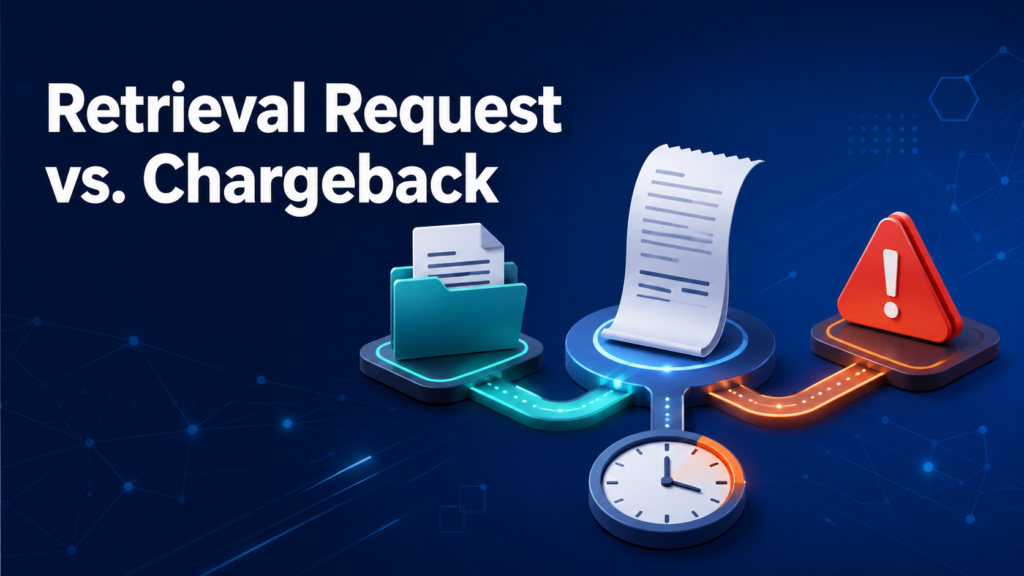
A retrieval request is a demand for information about a card transaction. The cardholder or issuing bank may not recognize the charge and wants to see supporting details, such as a receipt or order record. It is not always a chargeback, but ignoring it can allow a simple question to turn into a formal dispute.
Why it matters
Terminology and procedures vary by card network and processor. In general, a retrieval asks the merchant to document what happened. A chargeback goes further by reversing or contesting the transaction under a specific reason code. Some modern dispute flows skip a traditional retrieval step, so merchants should follow the instructions and deadline shown in their portal rather than relying on an old process.
Where problems begin
A useful response connects the cardholder to the purchase. Include a legible receipt, recognizable business name, transaction date and amount, item or service description, and proof of delivery or use when relevant. For online orders, device information, customer messages, tracking, and acceptance of terms may help. Do not send unrelated customer data or a pile of records with no explanation.
What merchants can do
Deadlines can be short. Assign one employee to check dispute notifications and use a calendar or ticketing process so requests do not sit in an inbox. Keep receipts and fulfillment records organized by transaction number. If the merchant cannot locate the sale quickly, the response window may close before the facts are assembled.
A practical next step
The best prevention happens before a request arrives. Use a clear billing descriptor, send detailed receipts, publish contact information, and answer customer questions promptly. When a cardholder recognizes the business and can resolve a concern directly, the issuing bank may never need to ask for documentation.
Treat every response as a short, factual story. State what was purchased, when the customer agreed, how it was delivered, and which document proves each point. Label attachments clearly. A reviewer should not have to decode internal abbreviations or search through twenty pages to find the signed receipt.
Review it regularly. Keep the process documented. Train staff before problems appear. Clear records make follow-up much easier. Ask questions before changing important account settings.