
It is common practice for businesses to receive payment prior to providing the entire service. Hotel companies put holds on guests’ credit card, car rental agencies take deposits, and spas ask for deposits when reserving appointments. Although this helps protect against losses associated with cancellation and damage, it can sometimes confuse clients.
Knowing the difference between these forms of payment will assist merchants in protecting their income and keeping customers happy at the same time.
What Is a Preauthorization?
Preauthorization, sometimes known as authorization hold, is a method that enables companies to check whether there are sufficient funds in the customer’s card for a payment.
Hotels normally use preauthorization for covering the cost of the rooms, services, or possible damage. Companies dealing with rental services usually put the hold on funds prior to renting out equipment, cars, or any other type of vacation property.
Funds are not sent to the company during this period of time, but the specified amount becomes unavailable for the customer.
How Deposits Differ
Unlike preauthorizations, deposits entail the collection of money prior to service delivery.
Deposits are required by many salons, spas, contractors, or service providers in order to secure an appointment. The advantage of a deposit is that it eliminates wastage from missed or canceled appointments.
Refunds for deposits will depend entirely upon the terms stipulated by the particular business.
Why Clear Communication Matters
The most frequent cause for customer complaints is a misunderstanding regarding the reason behind the placing of their money on hold and what period of time needs to pass until they will be able to use the money.
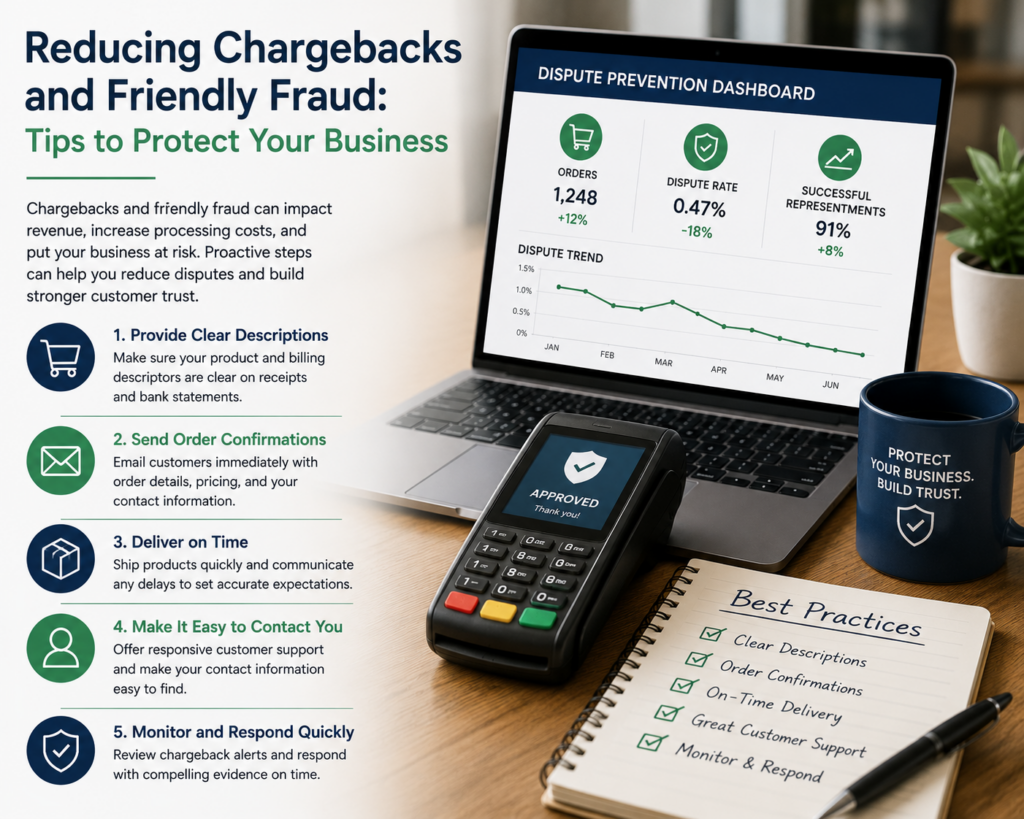
This information should be shared with customers before the transaction. The best way is to incorporate all the necessary information in booking, receipt, and invoices as well.
Best Practices for Merchants
Companies need to approve or charge only the amount that is needed for their operations. If there is excess money, it could lead to dissatisfaction, and hence chargebacks and negative comments on their services.
Another issue merchants need to be keen about is releasing unused charges promptly after the transactions have been made. Merchants could partner with a good payments provider to achieve this goal.
Protecting Revenue Without Hurting Customer Experience
The preauthorization process, deposits, and holds are all good techniques for those companies that offer such services as reservations, appointment booking, renting, or providing some services. All of these processes will work if the customer is aware of what exactly happens, why this needs to be done, and when he can get his money back.