
Online marketplaces have redefined the process of bringing together buyers and sellers in the business world. This can be an ecommerce marketplace, a booking platform, a delivery platform, a gig economy application, or even a service marketplace, but the issue persists regardless of which type of marketplace it is. Whereas the traditional business model is centered on collecting payments for their product or service offerings, the marketplace collects payments from the customer and distributes them among the vendors or service providers.
What Are Marketplace Payments?
Marketplace payments entail the processing of a customer’s transaction and the splitting of the payments made into several recipients.
A platform can charge the customers, pay itself the amount charged as fees, and distribute the rest of the payments to the vendors. In complicated scenarios, a single payment can be split to several vendors, contractors, or service providers.
It becomes very cumbersome when manual methods are employed to handle such payments.
Why Payment Splitting Matters
Automated payment splitting makes it easier to run marketplaces. There is no need to calculate commissions and distribute payments manually when funds can be automatically distributed according to predefined criteria.
This process saves time, enhances accuracy, and improves the customer experience for vendors and partners that expect to receive their payments.
In addition, automated payment splitting makes it easier to understand what fees and commissions were received by the marketplace.
Vendor Verification and Onboarding
Before a marketplace is able to send money to sellers or contractors, it must usually validate their identity and their company details.
This may be done by requesting tax information, bank account details, company information, ownership, etc. Onboarding will assist with the reduction of fraud, facilitate regulation, and ensure that everyone involved remains safe.
Efficient onboarding could also prove beneficial to the marketplace for attracting new sellers.
Handling Refunds and Disputes
Refund and chargeback situations can get more complex in cases where there are several parties involved in the transaction.
It is imperative for the marketplaces to develop guidelines with respect to who should pay the refund, how the disputes should be sorted out, and how the money can be recovered if the need arises.
Choosing the Right Payment Infrastructure
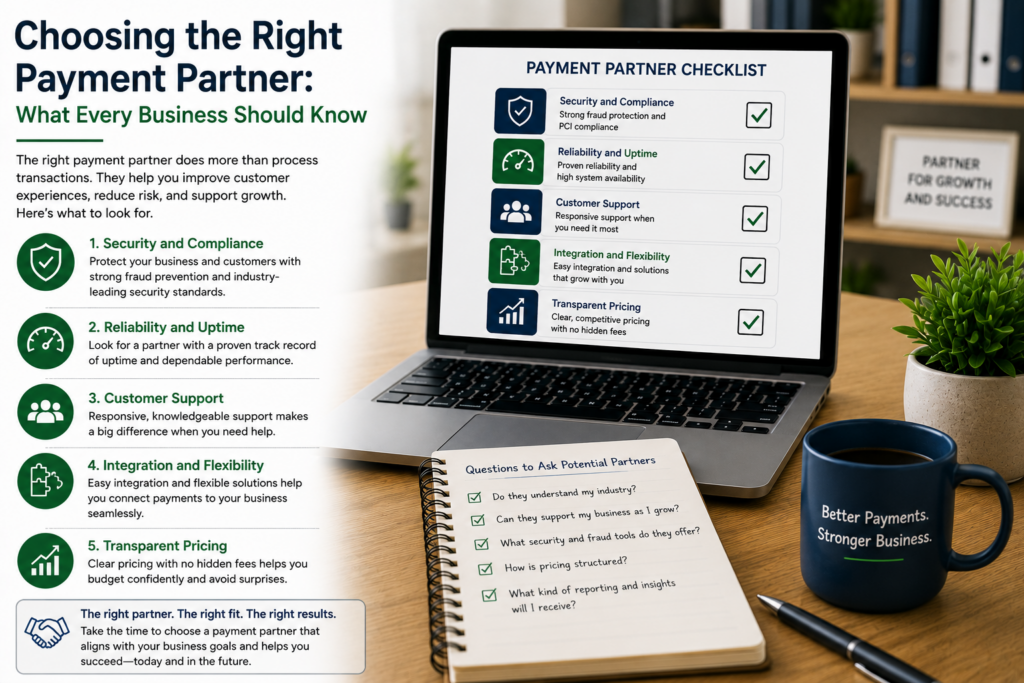
As the size of marketplaces expands, payment processes become more complicated. A good payment system will be able to manage the distribution process automatically, facilitate vendor onboarding, comply with various rules, and report effectively.
Proper payment solutions for marketplaces can help build trust among customers, vendors, and operators. This will allow marketplaces to spend less time on payment processing and devote more resources to expanding their operations.