
It is getting harder to collect from patients nowadays. With the constant increase in deductibles, co-payments, and other forms of costs, healthcare providers are finding ways on how to make payment easier without affecting the patient experience in a negative way.
Fortunately, there are payment options today which will assist health care organizations to collect payments without frustrating the patient.
Why Patient Payments Matter
In several medical offices, patient payment constitutes a greater percentage of their total income than at any other time in history. The bad news is that chasing down the money owed by the patient following an office visit can be expensive.
It can take a lot of paper statements, phone calls, and even more expensive staff labor to actually receive the funds owed. Patients have come to expect the same efficiency from the payment process in healthcare offices that they receive from other businesses.
Offer Multiple Payment Options
Different patients may have varying payment preferences for their medical bills. Patients can use either debit cards or credit cards for payments, while some patients can also use health savings accounts or flexible spending arrangements as a means of payment.
By offering different methods of payment to the patients, it becomes easier for them to make the payments.
Make Online and Mobile Payments Available
Many patients prefer having access to paying for services from the comfort of their homes through the Internet without making a phone call or mailing a check.
Patient portal technology allows the patient to have an account where he/she will be able to look up balances and make a payment when convenient for him/her.
Consider Payment Plans
Unforeseen expenses associated with health care can cause financial strain on individuals. The use of installment payments allows health care costs to be spread out over time.
When such plans are easy for patients to comprehend and participate in, better results are often seen in terms of collections and patient well-being.
Use Card-on-File Technology Responsibly
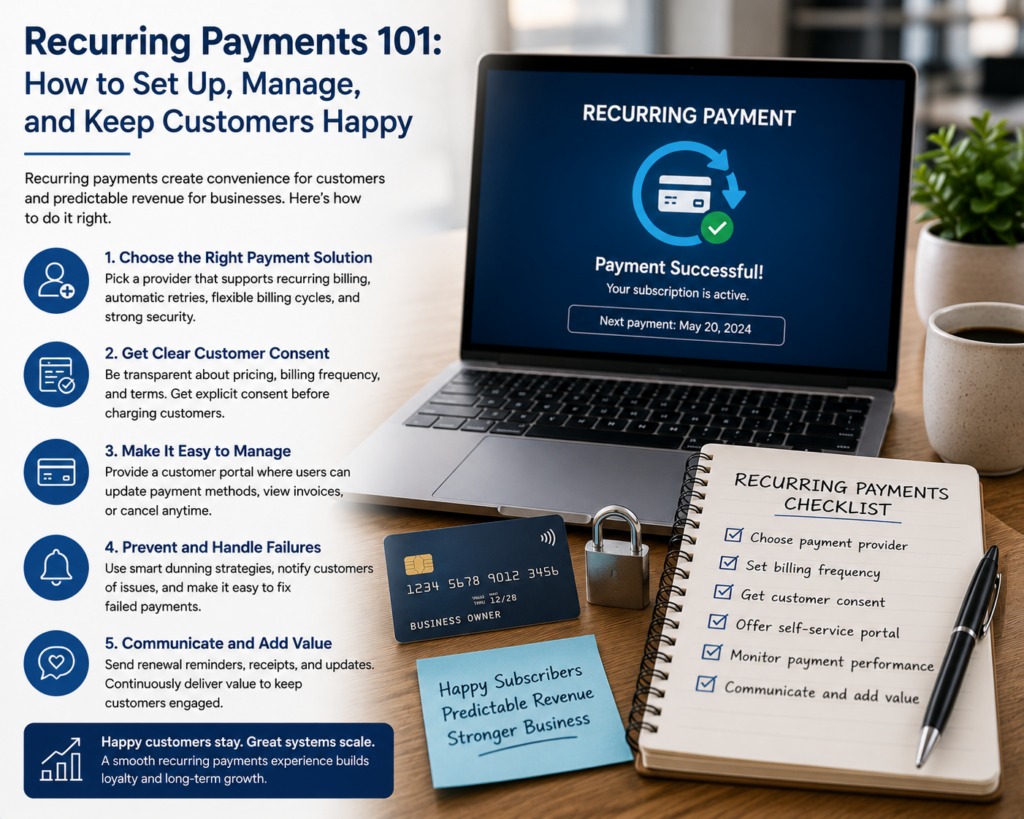
Health care facilities are now using card on file systems for co-payments, recurring payments, and even outstanding balances. If used properly, patients can give their consent, making payment easier and decreasing the need for collections.
Communication is very important. Patients must be informed about when charges could be made and have access to their receipt or billing statements.
Improving the Patient Experience
In fact, payment for healthcare services is usually among the last things that a patient will encounter during their interaction with a medical institution. A troublesome and unclear billing system may spoil what would otherwise have been a pleasant encounter.
It is possible to enhance revenue collection and at the same time build trust and loyalty by making payment systems more convenient and clear to the patient.
This way everybody will benefit from the process.