
Why Large or Unusual Transactions Can Trigger a Merchant Account Review
A legitimate sale can still look unusual to a payment processor. Accounts are approved and monitored using expected monthly volume, average ticket size, sales channels, products, delivery times, refunds, and processing history. When activity changes sharply, automated controls or risk teams may pause to ask whether the account is still operating as described. Why it…
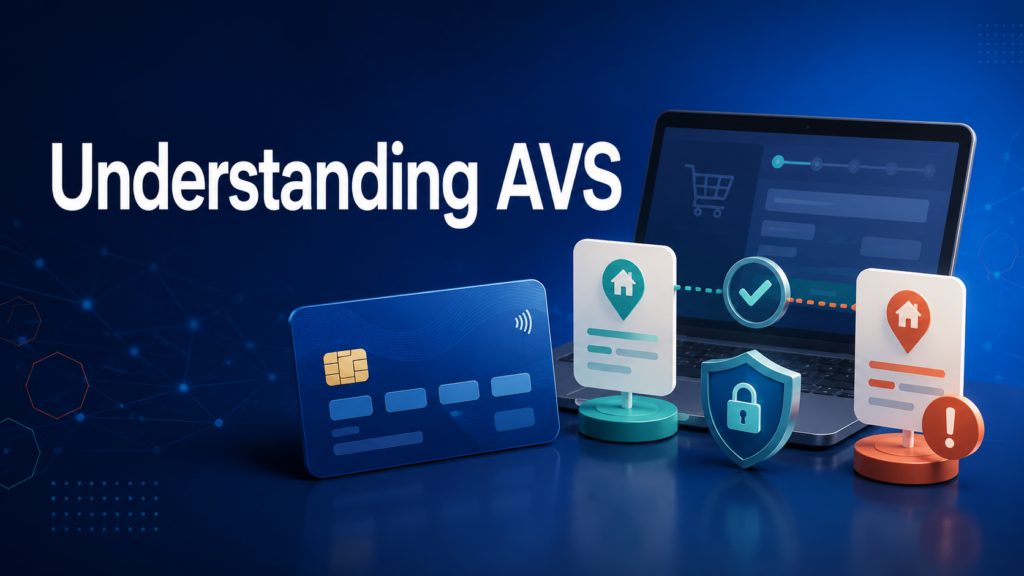
Understanding AVS: How Address Verification Helps Prevent Payment Fraud
Address Verification Service, usually shortened to AVS, compares numeric parts of a customer’s billing address with information held by the card issuer. It is commonly used for ecommerce, phone, and other card-not-present payments where a merchant cannot inspect the physical card. Why it matters An AVS response may indicate that the street number and postal…
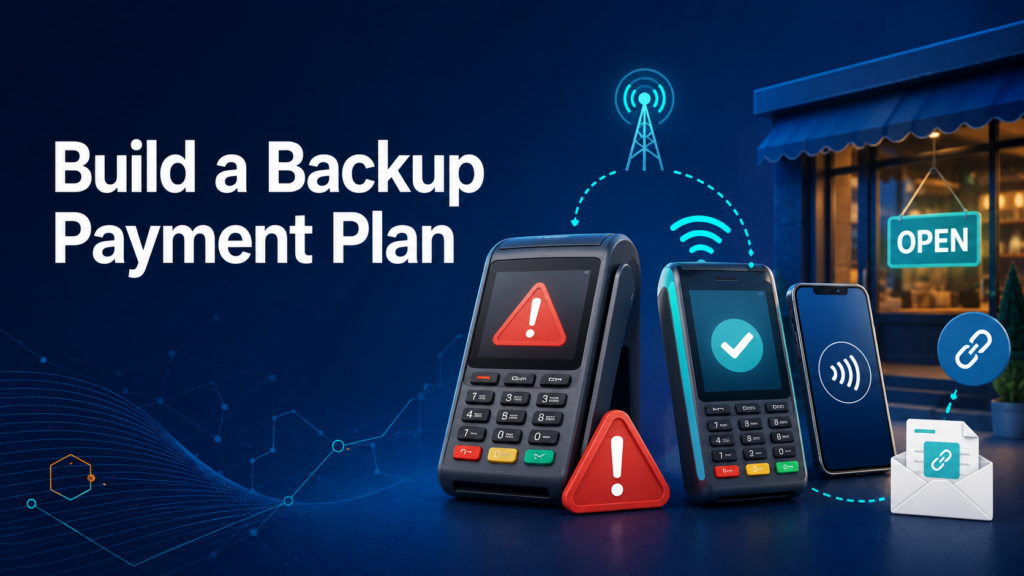
Why Businesses Should Have a Backup Payment Processing Plan
A payment system can fail even when the processor is working normally. Internet service drops, a cable breaks, a terminal loses power, software updates go wrong, or a device is damaged during a busy shift. Without a backup plan, a minor technical problem can become a line of frustrated customers and lost sales. Why it…
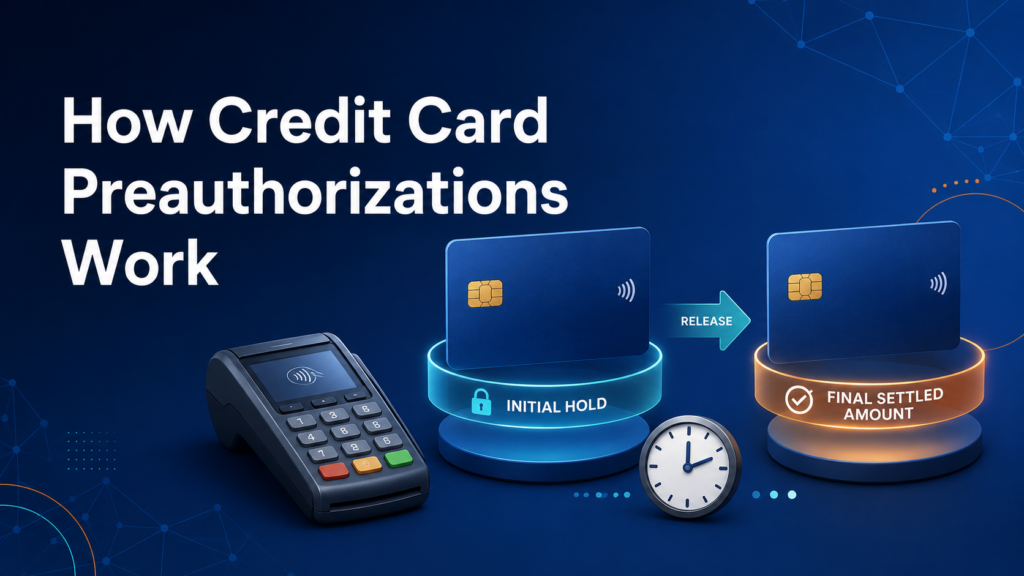
How Credit Card Preauthorizations Work and Why the Final Charge Can Be Different
A preauthorization places a temporary hold on a cardholder’s available funds or credit before the final amount is known. Hotels, rental companies, restaurants, salons, fuel stations, and service businesses use holds to confirm that the card is valid and that money is available for an expected purchase. Why it matters The hold is not the…
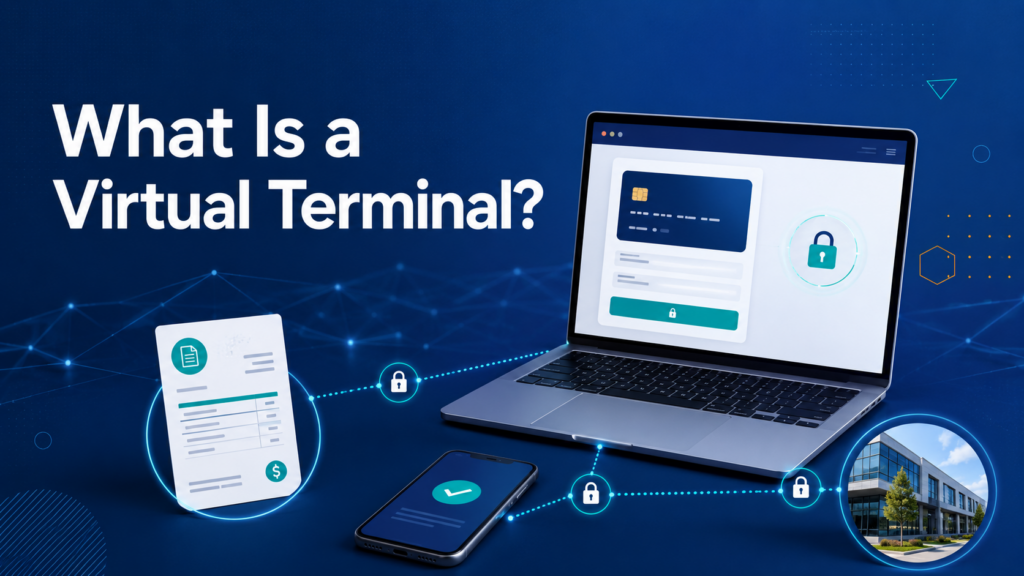
What Is a Virtual Terminal and Which Businesses Actually Need One?
A virtual terminal turns a secure web browser into a payment-entry screen. Instead of tapping a card on countertop hardware, an authorized employee signs in and enters transaction details for a customer who is paying remotely. It is commonly used for phone orders, emailed invoices, deposits, and back-office collections. Why it matters Professional services, medical…
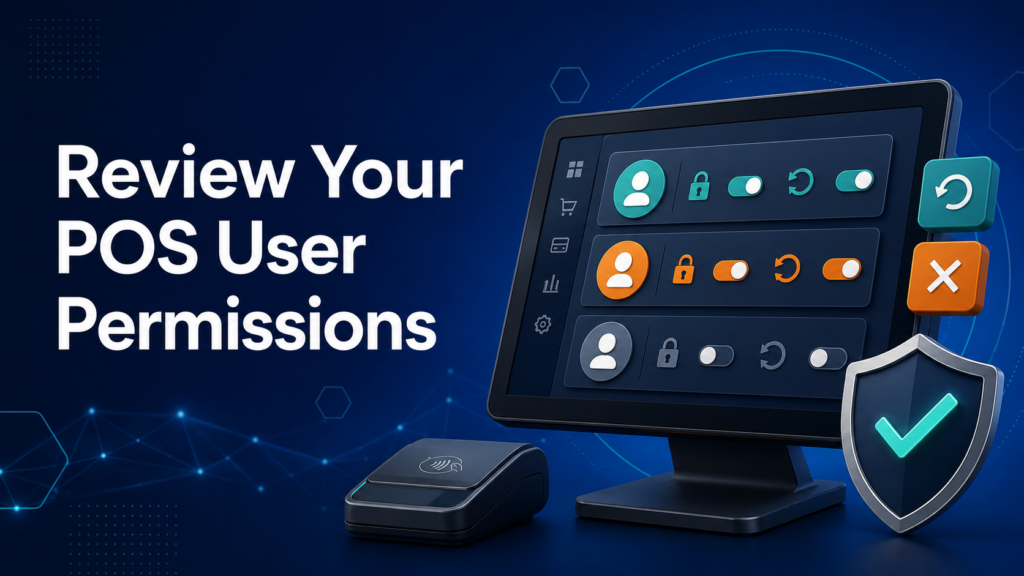
Why Businesses Should Review User Permissions Inside Their POS System
A point-of-sale login should tell the system who is performing an action and what that person is allowed to do. When an entire staff shares one manager code, that control disappears. Refunds, voids, discounts, cash-drawer openings, and report access all look as though they came from the same user. Why it matters Permissions reduce both…
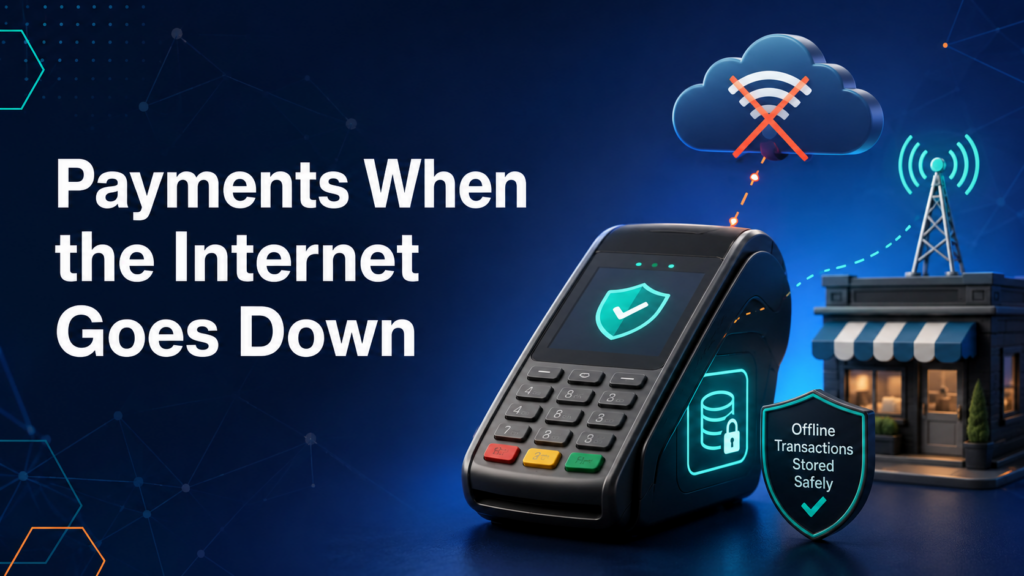
What Happens to Payment Processing When the Internet Goes Down?
The internet fails at inconvenient times: during a lunch rush, at an outdoor event, or while a customer is waiting with a full cart. What happens next depends on the terminal, connection, processor, and account settings. Some systems stop taking cards, while others can use cellular backup or store transactions for later submission. Why it…
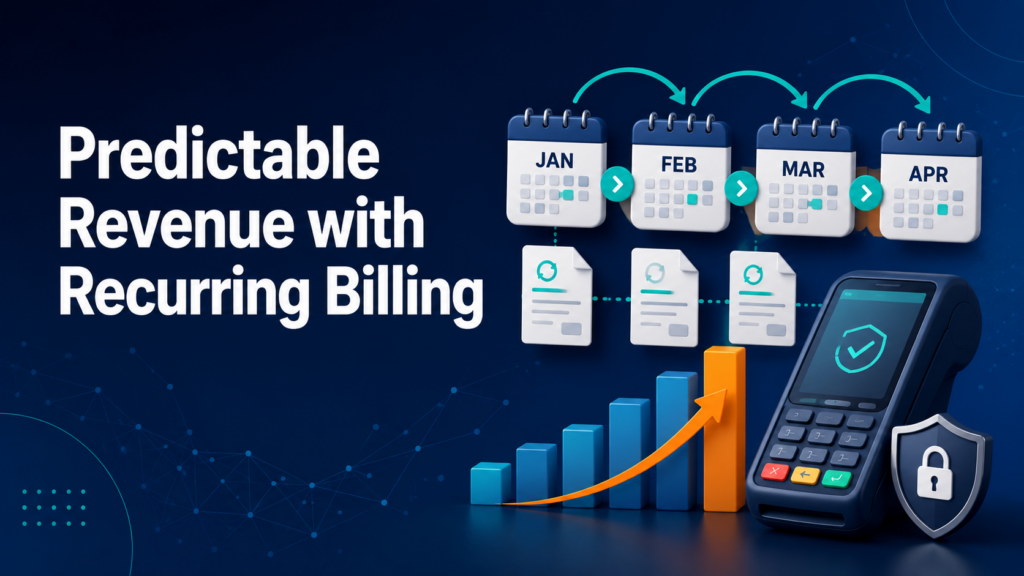
How Recurring Billing Can Help Service Businesses Build Predictable Revenue
Recurring billing is often associated with streaming services, yet it can be just as valuable for local service businesses. Lawn care companies, pest-control firms, gyms, consultants, maintenance providers, and professional practices can use scheduled payments to turn repeat work into steadier revenue and a simpler customer experience. Why it matters The appeal is predictability. When…

Why Your Business Name on a Customer’s Credit Card Statement Matters
A customer may know your storefront name but see a different legal company on the card statement. That moment of confusion can become a call to the bank and, eventually, a dispute. The billing descriptor is the text attached to a card transaction, and making it recognizable is one of the simplest ways to prevent…
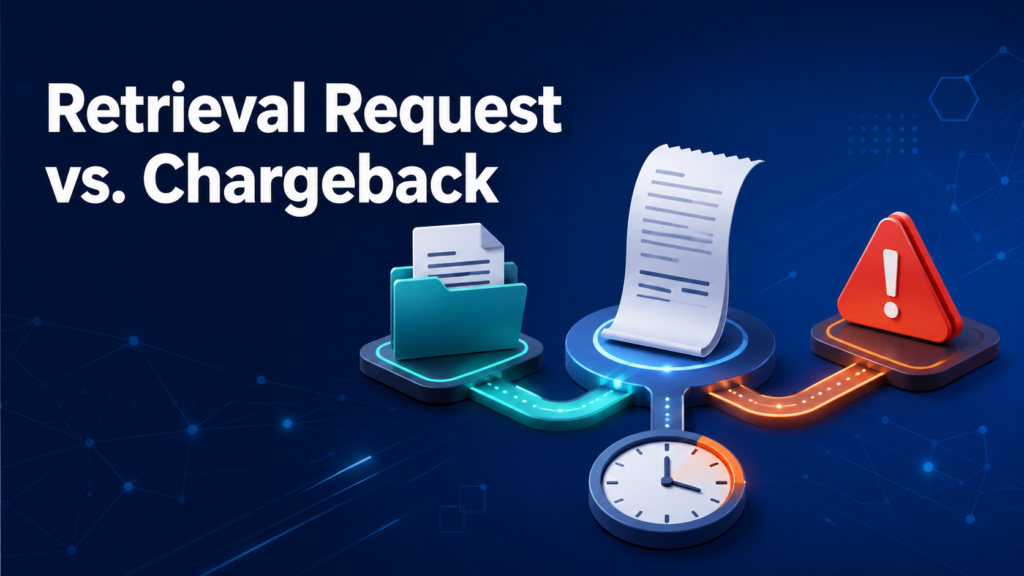
What Is a Retrieval Request, and How Is It Different From a Chargeback?
A retrieval request is a demand for information about a card transaction. The cardholder or issuing bank may not recognize the charge and wants to see supporting details, such as a receipt or order record. It is not always a chargeback, but ignoring it can allow a simple question to turn into a formal dispute….
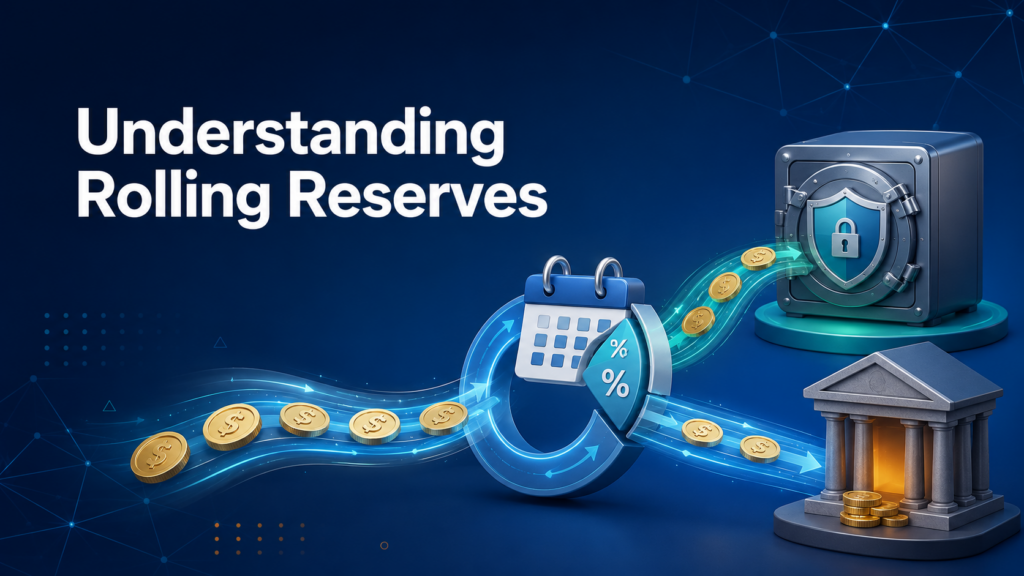
Understanding Rolling Reserves: Why Processors Hold Part of a Merchant’s Sales
A rolling reserve can surprise a merchant who expects every approved dollar to reach the bank. Under this arrangement, the processor temporarily holds a percentage of each day’s card sales in a reserve account. The money still belongs to the merchant, but it is released later according to the account agreement, often on a rolling…
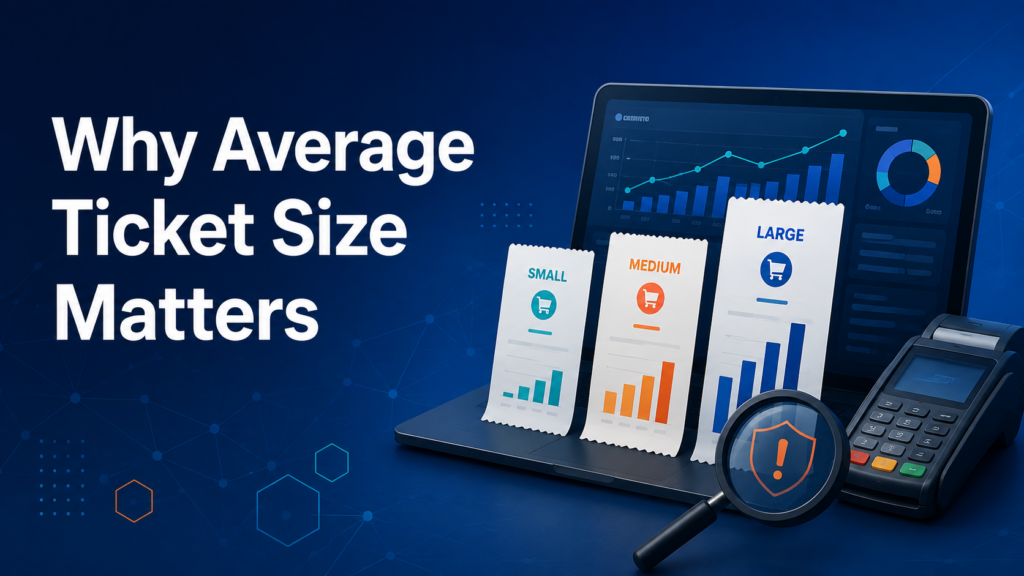
Why Your Average Ticket Size Matters to Your Payment Processor
A payment processor does not look only at monthly sales volume. It also considers the average ticket, meaning the typical amount of an individual transaction. Ten $100 sales and one $1,000 sale produce the same revenue, but they do not create the same risk pattern. That distinction matters during underwriting and after an account is…